

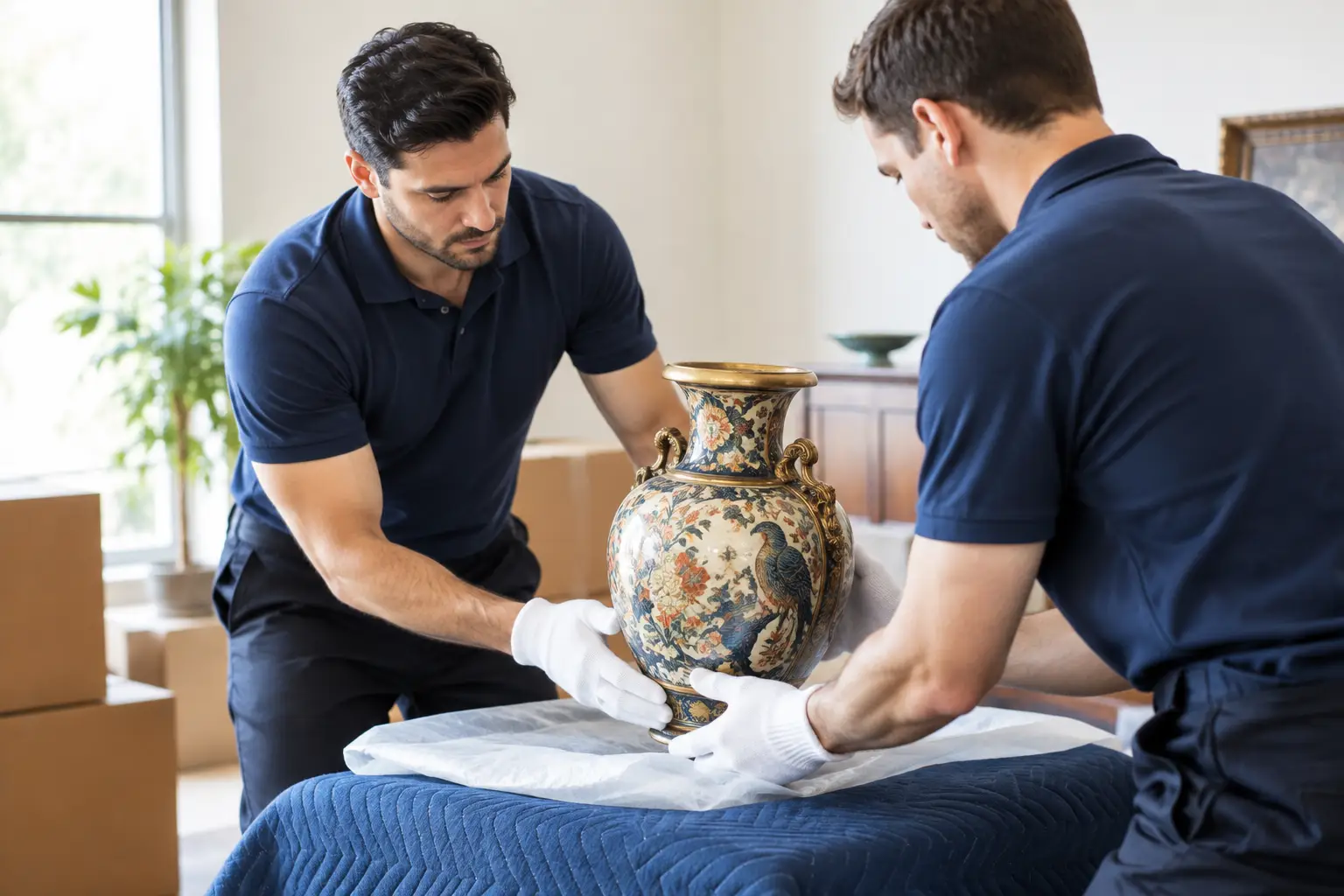
A carved mirror, a porcelain tea set, or a century-old sideboard can turn an ordinary moving day into a high-stakes job. Knowing how to move fragile antiques starts with treating each piece as individual property, not just another item to pack. Age, materials, previous repairs, and sentimental value all affect how an antique should be handled.
The safest approach is to plan before boxes arrive. Rushing creates most antique-moving damage: a loose drawer, an unprotected corner, a box packed too heavily, or furniture loaded where it can shift in transit. A little preparation gives you more control and helps a moving crew understand what needs special attention.
How to Move Fragile Antiques: Start With an Inventory
Walk through the home and identify every item that needs special handling. Include furniture, framed art, lamps, clocks, mirrors, glassware, ceramics, rugs, instruments, and collections. Take clear photos from several angles before packing. Photograph existing scratches, chips, cracks, or repairs as well.
For valuable pieces, record dimensions, materials, known age, and any maker's marks. This information is useful when deciding whether an item needs custom crating, climate-conscious transport, or an appraisal before the move. It also provides a useful reference when items are unpacked at the new property.
Do not assume that an old item is automatically sturdy because it has lasted for decades. Antique furniture can have dry joints, weakened veneer, brittle finishes, or hardware that no longer holds securely. A heavy oak cabinet may tolerate careful lifting, while a lighter-looking inlaid table may be far more vulnerable.
If an item has exceptional financial or historical value, speak with an appraiser, conservator, or insurer before moving it. Their guidance may affect how the item is packed and whether your existing coverage is appropriate.
Prepare Antiques Before They Are Packed
Clean only if it is safe to do so. Dust can scratch delicate surfaces during wrapping, but aggressive cleaning products can also damage old wood, metal, fabric, and finishes. A soft, dry cloth is usually the safer choice unless you already know the correct care method for that object.
Remove detachable parts where practical. Take out drawers, shelves, glass panels, lamp shades, finials, and loose hardware. Pack these components separately and label them to the matching piece. For a cabinet, for example, label both the drawer and the cabinet with the same identifier rather than writing only “antique drawer.”
Doors and drawers should be secured without placing tape directly on finished wood or veneer. Use soft moving straps, stretch wrap over a protective layer, or painter's tape on the protective wrap only. Tape applied to antique surfaces can lift finish, leave residue, or pull away fragile decoration.
For grandfather clocks, chandeliers, large mirrors, and other complicated pieces, disassembly is often best handled by a qualified specialist. Saving a few minutes by forcing a delicate mechanism apart can create a repair problem that lasts much longer than the move.
Use Packing Materials That Protect, Not Harm
The right material depends on the item. Blankets and padded moving covers work well for finished furniture, while acid-free tissue paper may be appropriate for delicate paper, textiles, or painted surfaces. Bubble wrap offers cushioning, but it should not always sit directly against an antique finish, especially during a long move or in changing temperatures. Place a clean protective layer between the item and plastic materials.
For fragile household antiques, pack one item at a time. Wrap glass, porcelain, and ceramics individually, with extra cushioning around handles, lids, spouts, and raised decoration. Fill empty space in the box so items cannot move, but do not force packing material tightly against weak parts.
Choose small, sturdy boxes for dense pieces such as crystal, metalware, books, or stone objects. A large box that is too heavy to lift safely is more likely to be dropped or set down roughly. Put heavier items at the bottom, but avoid stacking directly on top of a delicate piece simply because it fits.
Mirrors, artwork, and framed photographs should be protected at the corners first. Then use a fitted box or a properly sized carton. Mark the box clearly as fragile and indicate which side must remain upright. Labeling cannot replace careful packing, but it gives every person handling the item useful direction.
Furniture needs a different approach. Cover it with clean moving pads, then secure the pads so they cannot slide during loading. Pay close attention to carved legs, corners, marble tops, and decorative trim. A padded cover protects against scuffs, but a rigid corner guard or custom crate may be needed for pieces that are especially vulnerable.
Plan the Route From Room to Truck
Before moving day, measure doorways, hallways, stairwells, elevators, and tight turns. Compare those measurements with larger antiques, including the width created by padding. This step can prevent a rushed decision in a narrow hallway, where furniture is often bumped, tilted too sharply, or dragged across a floor.
Clear the route completely. Remove rugs that can slip, low-hanging fixtures, shoes, boxes, and anything else that creates an obstacle. Protect floors and door frames when moving heavy furniture. If the route includes stairs, decide in advance how many people are needed and where each person will stand.
Never lift an antique by a handle, drawer pull, decorative rail, or weak leg. Lift from the strongest structural points, keep the piece supported evenly, and communicate before turning or setting it down. For large items, the move should be slow and coordinated rather than fast.
Control Conditions in the Truck and New Home
Fragile antiques do not belong in a truck where they can shift against appliances, metal bed frames, or heavy boxes. They should be loaded after the truck's base is stable and secured so they remain upright and protected. Nothing should rest against a mirror, painting, or upholstered antique unless it has been specifically packed for that arrangement.
Temperature and humidity matter, particularly for wood, leather, paintings, musical instruments, and pieces with glue joints or veneer. A short local move may involve limited exposure, but long travel, winter conditions, summer heat, or temporary storage require more planning. Sudden swings can cause wood to expand or contract and can worsen existing cracks.
At the destination, avoid placing antiques immediately beside heat vents, radiators, fireplaces, exterior doors, or damp basement walls. Let temperature-sensitive items adjust gradually before removing all their wrapping. This is especially sensible after travel through very cold or very hot weather.
When Professional Help Is Worth It
Some antiques can be safely packed by a careful homeowner. Others justify professional handling, particularly oversized furniture, fine art, marble, pianos, elaborate clocks, and estate pieces with uncertain condition or value. The trade-off is cost versus risk, and the right answer depends on how difficult the item would be to repair, replace, or live without.
When requesting moving support, point out antiques early and provide photos and measurements when possible. Ask how fragile items are padded, loaded, secured, and documented. If a move involves inherited property or an estate clear-out, create a separate list of items that must travel, remain with the property, be evaluated, or be distributed to family members.
MoveMate can help coordinate the practical side of a residential or estate transition, so the plan for delicate property is not lost among the larger tasks of packing, scheduling, and clearing a home.
Unpack antiques before general boxes begin to crowd the room. Check each piece against your photos, reattach components carefully, and give it a stable place to rest. The goal is not simply to get an antique from one address to another, but to make sure its next chapter begins in the same condition it left.

